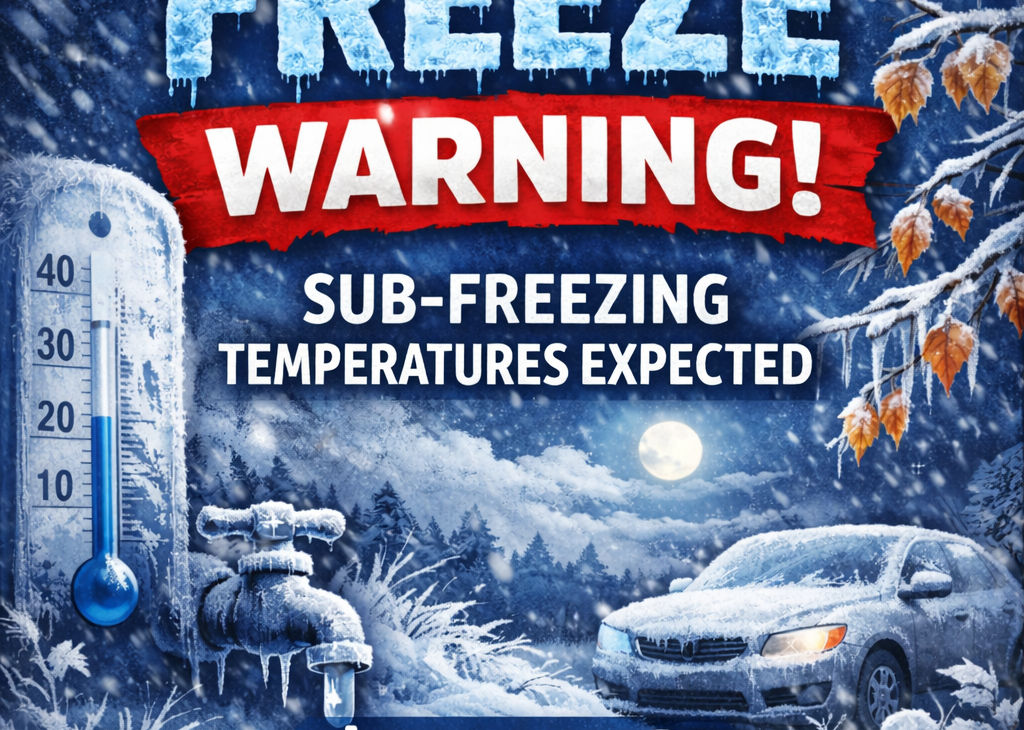
Introduction to Freeze Warnings
A freeze warning might sound like just another weather alert scrolling across your phone, but in reality, it’s one of those warnings you really shouldn’t ignore. When temperatures drop to freezing or below, even for a short period, the effects can ripple through your daily life in ways you might not expect. From damaged plants and burst pipes to health risks and power issues, a freeze warning is nature’s way of saying, “Hey, take this seriously.”
Unlike heavy storms or hurricanes, freze warnings often sneak up quietly. There’s no dramatic thunder or howling wind—just calm, clear skies and a sharp drop in temperature. That’s what makes them tricky. People underestimate them. You might think, It’s just one cold night, what’s the worst that could happen? Well, plenty.
Freeze warnings are especially important during transitional seasons like fall and spring, when people and plants aren’t fully prepared for sudden cold snaps. Farmers worry about crops, homeowners worry about plumbing, and pet owners worry about their furry companions. Understanding what a freeze warning means, how it works, and how to respond can save you money, stress, and even lives.
In this guide, we’ll break down everything you need to know about freeze warnings—without complicated weather jargon. Think of it as your practical, real-world survival manual for those bone-chilling nights when the temperature drops and the frost creeps in.
Understanding Cold Weather Alerts
Not all cold weather alerts are created equal. Weather services use different terms to describe varying levels of cold risk, and knowing the difference can help you respond appropriately instead of overreacting—or worse, underreacting.
What Is a Freeze Warning?
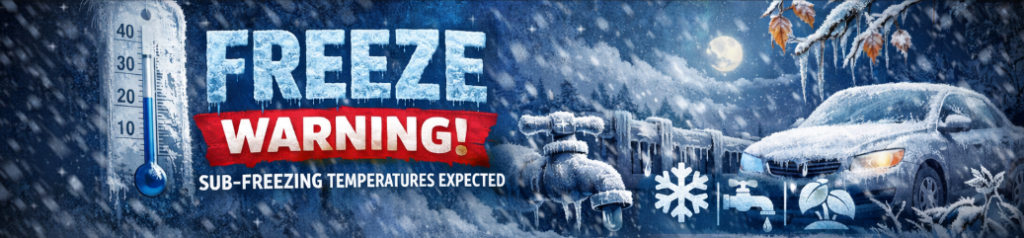
A freeze warning is issued when temperatures are expected to drop to 32°F (0°C) or lower for a few hours during the growing season. The key phrase here is growing season. That’s when plants are still active and vulnerable. A freeze warning means significant damage to plants is likely, especially sensitive vegetation.
Meteorologists usually issue freeze warnings 12 to 24 hours in advance, giving people time to prepare. It’s not just about discomfort—it’s about potential harm to agriculture, plumbing, and unprotected people or animals.
What Is a Frost Advisory?
A frost advisory is less severe than a freeze warning. Frost can form when temperatures hover just above freezing, usually between 33°F and 36°F. While frost can damage delicate plants, it’s generally not as destructive as a full freeze. Still, it’s a heads-up that cold conditions are approaching.
What Is a Hard Freeze?
A hard freeze warning is the heavy hitter. This occurs when temperatures drop to 28°F (-2°C) or lower for several hours. Hard frezes can kill most crops, damage trees, and cause serious plumbing issues. If a freeze warning is a slap on the wrist, a hard freeze is a punch to the gut.
What Causes a Freeze Warning?
Freeze warnings don’t just happen randomly. They’re the result of specific atmospheric conditions working together like pieces of a puzzle.
Clear Skies and Calm Winds
One of the most common setups for a freeze is a clear, calm night. Without clouds, heat escapes easily from the Earth’s surface into the atmosphere—a process called radiational cooling. Calm winds mean there’s no warm air mixing to offset the cold.
Cold Air Masses
Sometimes, a mass of cold air moves into a region, especially after a cold front passes. When this cold air settles in overnight, temperatures can drop rapidly, triggering a freeze warning.
Seasonal and Regional Factors
Freeze warnings are more common in inland and rural areas, where there’s less urban heat to keep temperatures up. Valleys are also prone to freezing because cold air sinks and pools there like water in a bowl.
When Are Freeze Warnings Issued?
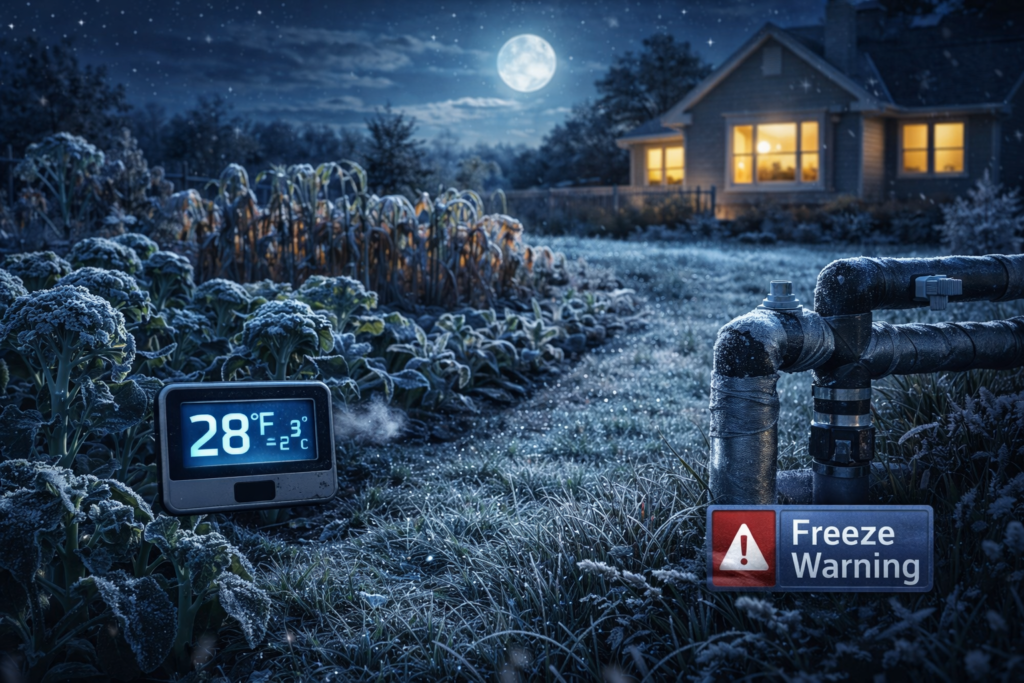
Freeze warnings usually pop up during late fall and early spring, when temperatures fluctuate wildly. In fall, they often signal the end of the growing season. In spring, they can be especially frustrating because plants have already started to bloom.
The duration of a freeze warning can range from a couple of hours to an entire night. Even a brief dip below freezing can cause damage, which is why timing matters so much.
Why Freeze Warnings Are Dangerous
Freeze warnings might not look dramatic, but their impact can be surprisingly severe.
Impact on Human Health
Cold temperatures increase the risk of hypothermia and frostbite, especially for older adults, young children, and people without proper heating. Even indoors, poorly insulated homes can become dangerously cold.
Effects on Pets and Wildlife
Pets left outside during a freeze can suffer quickly. Wildlife may struggle to find food and shelter, especially during sudden cold snaps that catch them off guard.
Risks to Infrastructure
Frozen pipes are one of the most expensive and common problems during freze warnings. When water freezes, it expands, putting pressure on pipes until they crack or burst. The damage often isn’t noticed until temperatures rise and water starts leaking everywhere.
Freeze Warning vs Hard Freeze: Key Differences
While both involve freezing temperatures, the severity and consequences are different.
A standard freze warning usually causes damage to sensitive plants and minor plumbing issues if precautions aren’t taken. A hard freeze, on the other hand, can cause widespread destruction, killing crops, damaging trees, and causing long-term infrastructure problems.
Understanding this difference helps you decide how aggressively to prepare.
How Freeze Warnings Affect Agriculture
For farmers and gardeners, freze warnings are a big deal. Crops like tomatoes, peppers, citrus, and flowering plants are extremely sensitive to freezing temperatures.
Even a single freeze can wipe out an entire season’s worth of work. On a larger scale, freeze damage can lead to higher food prices and economic losses in agricultural communities.
Protecting Plants During a Freeze Warning
Homeowners and gardeners can take several steps to protect plants during a freeze warning.
- Cover plants with cloth, blankets, or frost covers
- Water the soil before freezing temperatures hit
- Move potted plants indoors or into garages
- Avoid using plastic directly on plants
These small actions can make a big difference.
Freeze Warnings and Home Protection
One of the smartest things you can do during a freze warning is protect your home.
- Insulate exposed pipes
- Let faucets drip slightly
- Open cabinet doors to allow warm air to circulate
- Disconnect garden hoses
These steps can save you thousands of dollars in repair costs.
Freeze Warning Safety Tips for People
Staying warm isn’t just about comfort—it’s about safety.
- Dress in layers
- Avoid prolonged exposure to cold
- Use heaters safely
- Never use outdoor grills indoors
A little common sense goes a long way.
Preparing Pets for a Freeze Warning
Pets rely on us to keep them safe. Bring them indoors, provide warm bedding, and ensure outdoor animals have insulated shelter and unfrozen water.
How to Stay Informed About Freeze Warnings
Modern technology makes it easier than ever to stay informed.
- Weather apps
- NOAA weather radios
- Local news alerts
Staying informed gives you time to act.
Economic and Environmental Impact of Freeze Warnings
Freze warnings can strain local economies, especially in agricultural regions. Environmentally, sudden freezes can disrupt ecosystems, harming plants and animals not adapted to cold conditions.
Climate Change and Freeze Warnings
Climate change has made freze warnings more unpredictable. Warmer winters don’t mean fewer freezes—instead, they often mean more sudden and extreme temperature swings.
What to Do During a Freeze Warning
Act quickly. Protect plants, secure your home, stay warm, and check on vulnerable neighbors. Avoid unnecessary travel if roads are icy.
After the Freeze: Recovery and Assessment
Once temperatures rise, inspect your home for leaks, assess plant damage, and slowly help your garden recover.
Conclusion
A freeze warning is more than just a weather alert—it’s a call to action. By understanding what it means and how to respond, you can protect your home, your health, and your livelihood. Preparation is the difference between inconvenience and disaster.
FAQs
1. How cold does it need to be for a freze warning?
Typically, 32°F (0°C) or lower for several hours.
2. Can a freze warning happen in spring?
Yes, and spring freezes are often more damaging.
3. Should I cover all plants during a freeze warning?
Focus on sensitive and newly planted vegetation.
4. Are freze warnings dangerous for indoor pets?
Usually no, as long as your home is properly heated.
5. How long do freze warnings usually last?
Anywhere from a few hours to overnight, depending on conditions.
Please don’t forget to leave a review.
Explore more by joining me on generativeblogs.blog
1. National Weather Service – Freeze Warning Definition
Use this link when explaining what a freze warning means.
👉 https://www.weather.gov/safety/cold-freeze
2. NOAA – Cold Weather Safety
Great for safety, health risks, and preparedness sections.
👉 https://www.noaa.gov/weather
Last modified: January 10, 2026